India’s Siang Project: A Response to China’s Mega-Dam Sparks Unrest in Arunachal Pradesh

Published: 03:29 27 October 2026
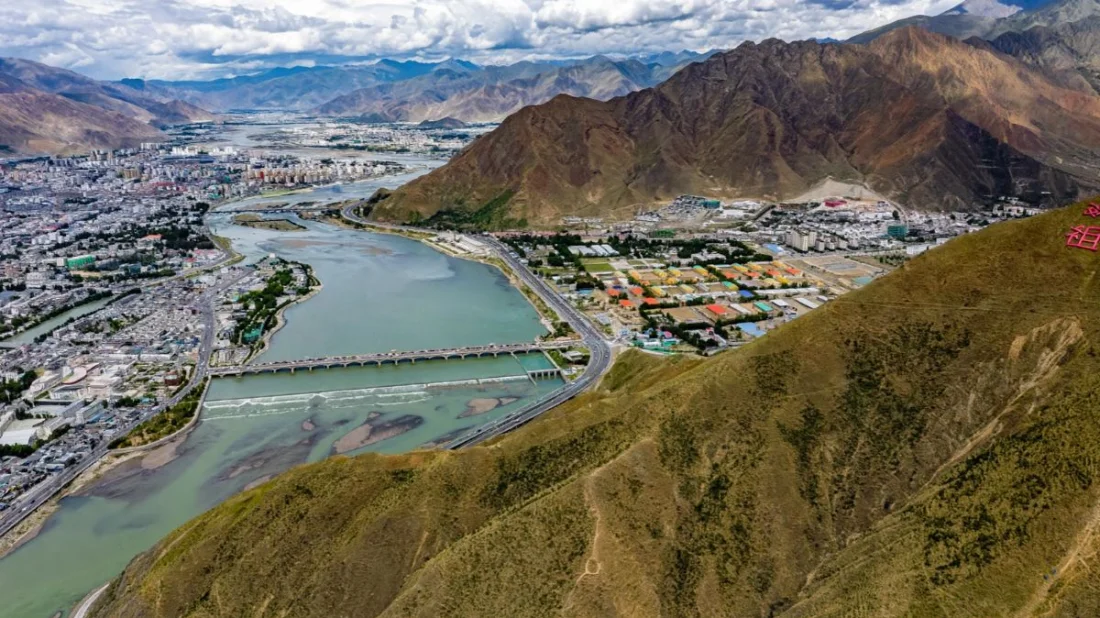
To counter the potential impact of a massive Chinese hydroelectric project, India has initiated the 11,200-megawatt Siang Upper Multipurpose Project (SUMP) in the state of Arunachal Pradesh. However, members of local indigenous communities are protesting, fearing that the project could lead to the loss of their ancestral lands, livelihoods, and cultural heritage.
The Siang River—known as the Yarlung Tsangpo in Tibet—flows through Arunachal Pradesh and into Assam, where it becomes the Brahmaputra before continuing into Bangladesh. China is set to begin construction on a colossal hydroelectric project with a capacity of approximately 60,000 megawatts in the Medog area of Tibet by July 2025. India is concerned that operations at this upstream facility could, in the future, disrupt water flow and compromise its water security.
Meanwhile, various local organizations are opposing the proposed Siang project. They argue that the creation of a large reservoir could destroy ancestral settlements, agricultural land, and their traditional way of life. Local groups, including the 'Adi Bane Kebang,' have demanded the cancellation of the project; these tensions have already led to protests and clashes with security personnel.
Arunachal Pradesh Chief Minister Pema Khandu has stated that no final decision regarding the project will be made until the completion of surveys and feasibility studies. Beyond the concerns of the local population, questions have also been raised regarding the seismic risks inherent to the Himalayan region and the potential environmental impact. Consequently, there is a growing demand to determine the future of the project by carefully balancing India’s strategic water security objectives with the rights of the indigenous communities.
Advertisement
Most Readed - International



- India’s Siang Project: A Response to China’s Mega-Dam Sparks Unrest in Arunachal Pradesh
- Sagar-Runi Murder Case: High Court Summons Task Force Chief with Documents
- Allegations of Obstruction at Manik Pashari’s Burial; Rashed Khan Criticizes Jamaat and NCP
- Jaya Ahsan turns heads in a pink satin ensemble
- Mustafizur Rahman to feature in Big Bash for the first time; seeks NOC from BCB
- Accident Involving Rahul Gandhi’s Convoy; Several Injured
- 109 Children Subjected to Sexual Abuse in Madrasas Across the Country in 9 Months
- Why is there so much mental pressure in one’s late twenties regarding career, marriage, and children?
- Cyberattack on Janata Bank Website
- Two Warranted Accused Arrested in Khoksa Police Raids, Including Zakir Hasan Masud
- Fuel for Rooppur Nuclear Power Plant Arriving in Bangladesh Today
- Cybercriminals Claim to Possess Data of 19 Million Pathao Users; $400,000 Ransom Demanded
- Jamuna Fertilizer Factory Shuts Down Again Just Two Days After Resuming Operations
- Hasnat Questions the Source of Salahuddin’s Wealth, Demands Transparent Accounting
- Ronaldo faces risk of 6-month ban for leaving national team camp
- Messi bids farewell with a goal and assists, showered with love by teammates
- Countless Decembers will come and go, but Sheikh Hasina will not return to the country: Rashed Khan
- Ronaldo shares emotional message upon Messi's retirement, expressing 'utmost respect'
- Houthis Claim Third Attack on Riyadh Airport; Aircraft Damaged
- Three-Day Mosquito Eradication Drive Begins in Savar's Bongaon