China is building an 'artificial sun'! A 582-ton magnet could change the future of the world's energy

Published: 02:23 15 August 2026
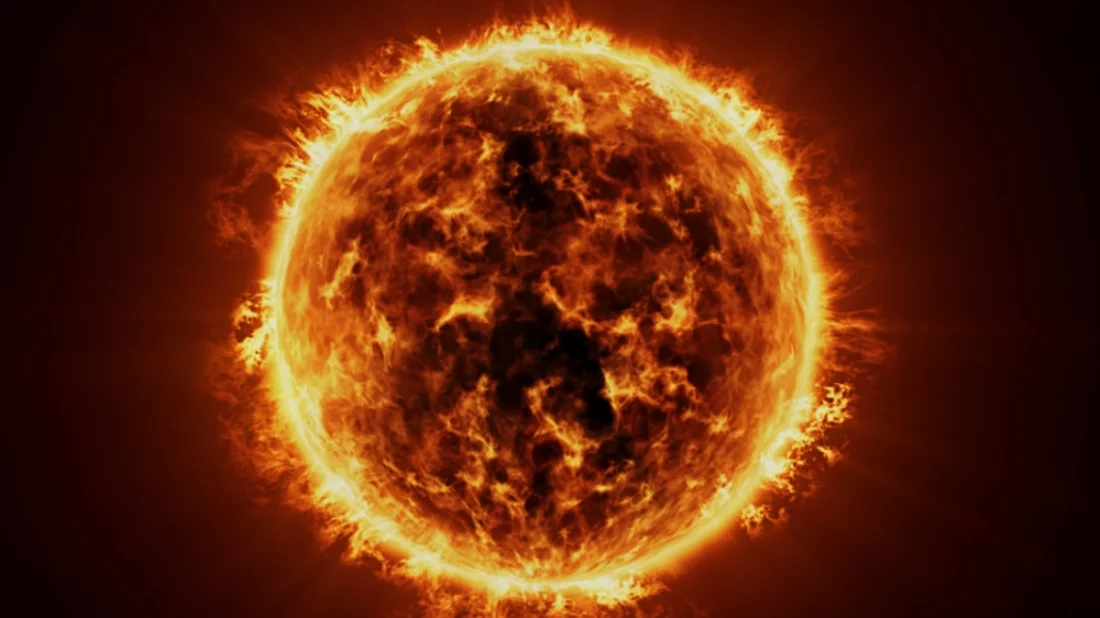
China is moving towards one of the world's largest technological projects. The country has built a huge superconducting magnet weighing 582 tons for the nuclear fusion project known as the 'artificial sun'. The goal of this technology is to produce clean and large amounts of energy in the future using a fusion process like the sun.
According to scientists, nuclear fusion is the process through which energy is generated inside the sun. If this technology can be brought under control, there will be a possibility of generating huge amounts of energy with low carbon emissions.
Why is China building a huge 582-ton magnet?
This huge superconducting magnet made in China will help control the extremely hot plasma inside the fusion reactor. The fusion process requires plasma with a temperature of billions of degrees, which cannot be contained by any ordinary object.
This plasma is controlled using a strong magnetic field. This magnet from China will play an important role in achieving that goal.
What is the 'artificial sun'?
The term 'artificial sun' basically refers to nuclear fusion research. Here, attempts are made to generate energy by combining light atoms like hydrogen.
Current nuclear power plants generally use fission technology, where heavy atoms are broken. But in fusion, atoms are joined to create energy, which could be a safe and clean energy source of the future.
China's goal is fusion power by 2030
China has said that one of the goals of its fusion power program is to further develop this technology and move towards electricity production by the beginning of the next decade.
According to experts, if fusion power is successfully used, there could be a big change in dealing with the energy crisis, carbon emissions, and long-term energy needs.
Fusion technology is competing around the world
Not only China, but various countries and research institutions around the world are working on nuclear fusion technology. Because if this technology is successful, it could be one of the most important energy sources of the future.
However, scientists say that there are still major technical challenges in producing fusion power commercially. Maintaining a stable fusion reaction over a long period of time is one of the most difficult things.
Advertisement
Most Readed - International




- Three-Day Mosquito Eradication Drive Begins in Savar's Bongaon
- Countless Decembers will come and go, but Sheikh Hasina will not return to the country: Rashed Khan
- Ronaldo faces risk of 6-month ban for leaving national team camp
- Houthis Claim Third Attack on Riyadh Airport; Aircraft Damaged
- Cybercriminals Claim to Possess Data of 19 Million Pathao Users; $400,000 Ransom Demanded
- Ronaldo shares emotional message upon Messi's retirement, expressing 'utmost respect'
- Nude Trump Sculpture ‘The Orange Plague’ at the European Parliament
- Jamuna Fertilizer Factory Shuts Down Again Just Two Days After Resuming Operations
- Over 100 minutes of footage cut from Rajinikanth’s ‘Jailer 2’
- Messi bids farewell with a goal and assists, showered with love by teammates
- No Relief in Fish, Chicken and Egg Prices, Low-Income People Under Pressure
- Price of Low-Tier Cigarettes Raised Again; 10 Sticks Now Cost Tk 65
- Love, Resentment and ‘Write to the Address of the Sky’: The Untold Story of Rudra and Taslima
- RAB Dissolved, SRB Begins Operations; Uniforms, Logos, and Vehicle Colors to Change
- Squad Trimmed: Six Players Dropped from Bangladesh's ASEAN Cup Team
- "Jinnah's father sold fish; he was a Hindu": Fazlur Rahman's claim vs. historical records
- Bangladesh Bank to provide up to Tk 20 lakh without collateral; here is which young entrepreneurs are eligible.
- Raphinha Equals Messi's Record; Barcelona Makes History in 7-Goal Thriller
- Major blow for international students: Australia limits opportunities to bring families
- Sakib Ali: A Prominent Name in Bangladesh’s Diplomacy and Politics