25 US states sue Trump's new tariff policy

Published: 11:29 4 August 2026
25 states in the country have filed a lawsuit with the Court of International Trade challenging the legality of US President Donald Trump's new tariff policy. The lawsuit alleges that the additional tariffs imposed by the Trump administration on the pretext of products produced under forced labor exceed the limits of legal authority and are unconstitutional.
The lawsuit was filed on Monday in the US Court of International Trade. 25 Democratic-led states, including New York, California, Illinois, Massachusetts, Washington, Wisconsin, Pennsylvania, participated as plaintiffs.
Last July, the Trump administration announced additional tariffs of 10 to 12.5 percent on products from a total of 60 trading partners, including India, Canada, Japan, Norway, Taiwan, and China. The administration claims that these countries have failed to take effective measures to prevent the import and export of products produced under forced labor. The new tariffs were imposed under Section 301 of the Trade Act of 1974.
The plaintiffs claim that the Trump administration is trying to re-enact a tariff policy that was previously struck down by the courts on a new legal basis. According to them, this is essentially a new form of the previous policy and an abuse of presidential power.
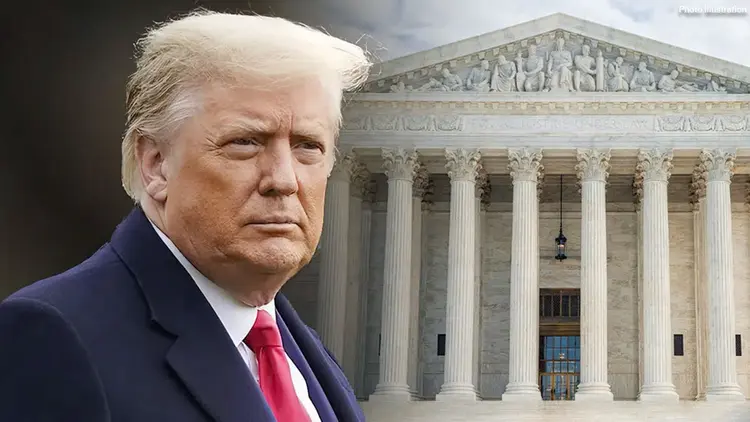
Earlier, in February 2026, the US Supreme Court declared the Trump administration's broad tariffs imposed under the Emergency Economic Powers Act (IEEPA) illegal. The court said that the president did not have the authority to impose such tariffs through that law. Then, the tariffs were imposed using Section 301 of the Trade Act again, which is also now a legal battle.
New York Attorney General Letitia James said that despite the Supreme Court's ruling, the administration is again creating additional financial pressure on American families and businesses by imposing similar tariffs. According to her, the president cannot unilaterally impose tariffs on any country.
On the other hand, White House spokesperson Kush Desai defended the administration's decision, saying that the United States is using its legitimate trade power and that taking action against products produced under forced labor is necessary to protect the interests of American workers and businesses. The administration claims that Section 301 of the Trade Act provides sufficient legal basis for this action.
Meanwhile, New York Governor Kathy Hokul complained that the new tariffs could increase the prices of everyday consumer goods, construction materials and other everyday goods. In her words, this policy is effectively imposing an additional tax burden on ordinary people.
According to legal experts, although the Trump administration is using a different legal basis than before, how much this tariff policy will survive in court will depend on the rationale for applying Section 301 of the Trade Act and the evidence presented by the administration. The ruling in the case could have a significant impact on future US trade policy.
Advertisement
Most Readed - International

- Bangladesh proposes to import gas from Myanmar via pipeline
- New political platform named ‘Bangladesh Janarashtra Andolon’ launched
- Babita agrees to return to cinema at Shakib Khan's request, but there is one condition
- Umpire Sharfuddaula Saikat's resignation finally takes effect, contract with BCB ends
- 25 US states sue Trump's new tariff policy
- Prime Minister Tarique Rahman to visit US for 10 days, address UN General Assembly in September
- Two grand mega concerts in the capital to mark the anniversary of the July Uprising
- Two Russian citizens intoxicated in Rooppur brawl: One dies, another in ICU
- Where is Obaidul Quader who shouted 'I will not flee'? No trace
- Arsenal transfer rumours 'baseless and damaging': Vinicius' agency issues clear message
- Sarjis Alam warns of strict resistance if there are irregularities in vote counting
- Supercomputer predicts France close to winning the World Cup
- Political crisis may worsen if referendum verdict is not implemented: Golam Parwar
- Patient's severed leg missing from operation theatre at Kushtia Hospital
- Protest Rally and Mass March Held in Narail Demanding Implementation of July Charter
- Government fertilizer and paddy seeds found at BNP leader's house, criticism in the area
- Aamir Khan-Gauri Spratt in Australia after marriage, personal vacation in between the festivities
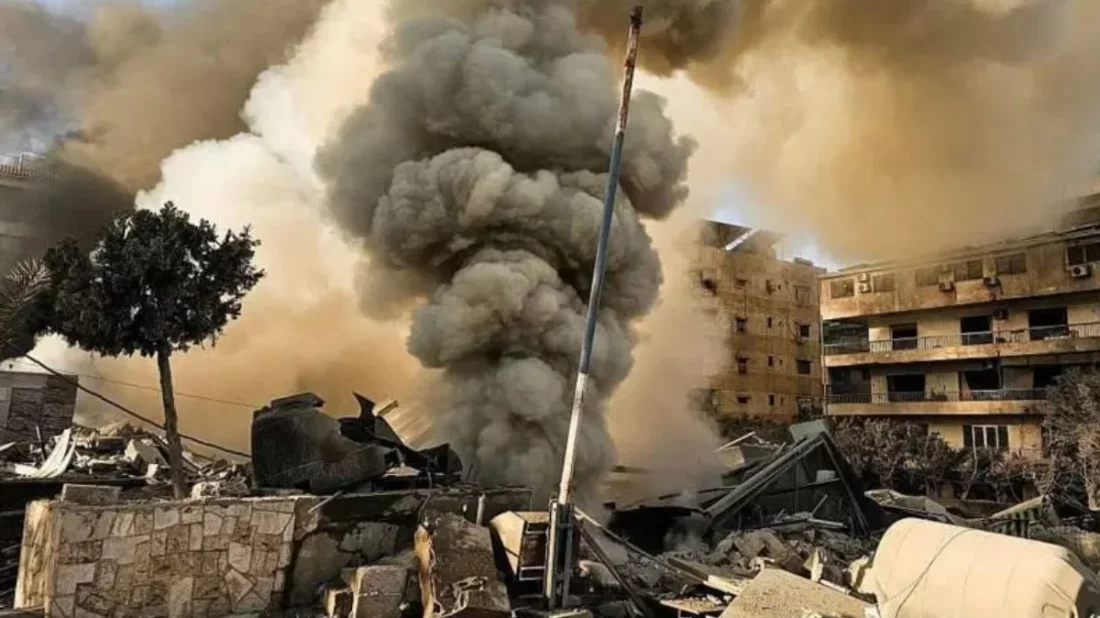
- Major US strike on Iran amid Hormuz tensions, targeting 140 military installations
- Shakira returns to Egypt after 19 years, will sing at the Pyramids of Giza
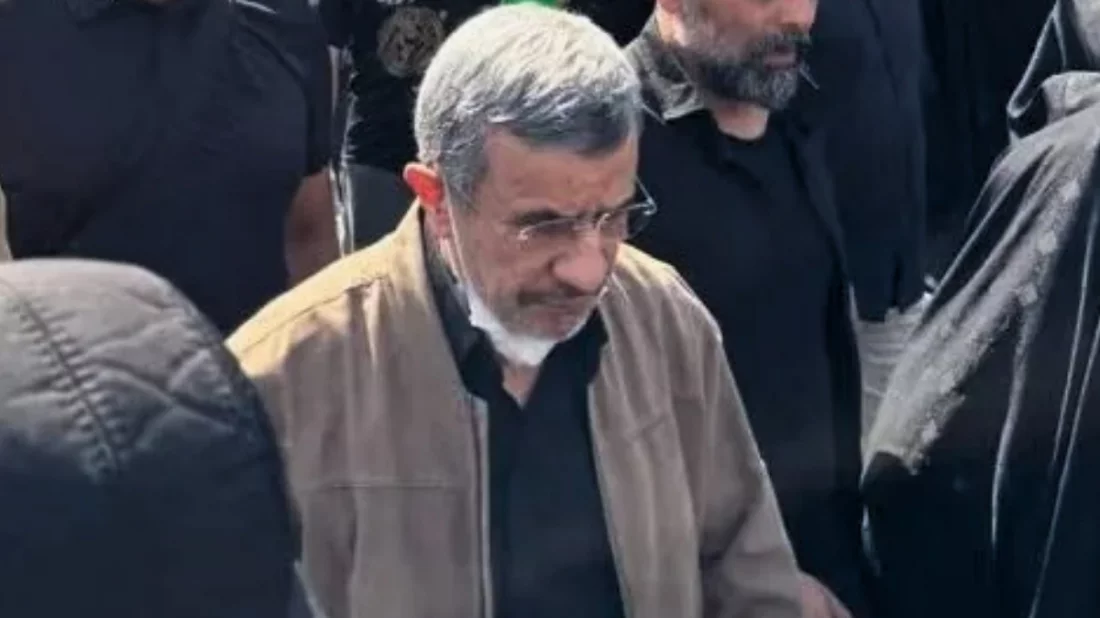
- Ahmadinejad at Khamenei's funeral, dismissing rumors of death