What was East Africa like 4 million years ago, what did the inhabitants eat, how did they live? Surprising information found in tooth fossils

Published: 01:44 23 April 2026
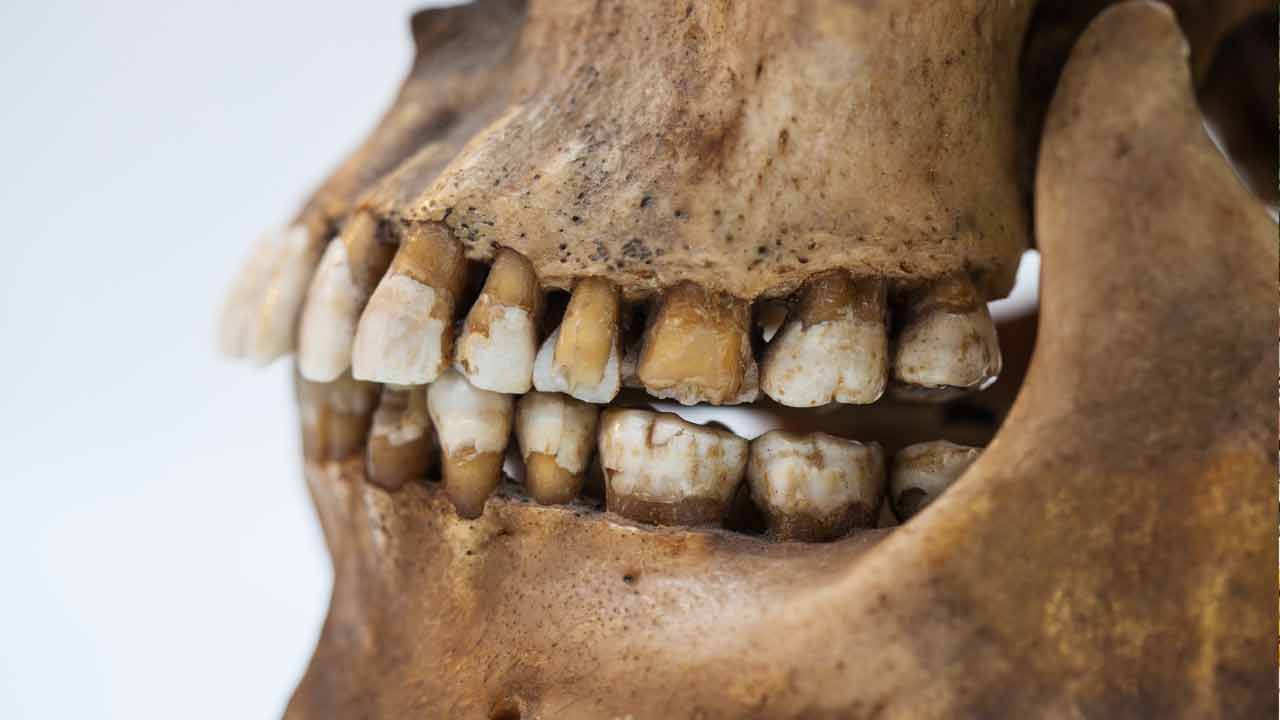
The Afar region of East Africa was not as dry as it is today, but rather full of dense forests, rivers and lakes - such sensational information has emerged from the analysis of ancient tooth fossils. Scientists say that important evidence of the environment, fauna and lifestyle of primitive people millions of years ago is hidden in tooth enamel.
The study was led by Professor Zelalem Bedaso of the University of Dayton in the United States. After examining the tooth fossils recovered from the Afar region of Ethiopia, they found that this region was completely different about 4 million years ago.
Scientists explained that even though human bones decay over time, tooth enamel remains almost unchanged. As a result, analyzing the chemical elements deposited in that enamel can help us understand what ancient animals ate and what kind of environment they lived in.
This study found that the Afar region at that time had vast forests, grasslands, rivers and lakes. Animals like giraffes, elephants, hippos, horses and antelopes roamed there. Some ate leaves, some ate grass - and the imprint of that diet is clearly visible on their teeth.
About 2 to 3 million years ago, the environment of this region gradually began to change. The forests decreased and grasslands and savannas took their place. As a result, the structure of the animals' bodies and teeth changed. Some animals developed strong teeth especially suitable for eating grass.
Similarly, information about the lifestyle of the primitive human species Australopithecus afarensis was also found in the analysis of their teeth. The study showed that they mainly lived by eating fruits and leaves. Grass was not very much in their diet.
According to scientists, along with the change in the environment, eating habits and lifestyle also changed. By analyzing this detailed information from the teeth, it is possible to understand the important stages of human evolution in a new way.
This research proves that dental fossils are an invaluable source of information for understanding the history of the Earth millions of years ago, bringing to the fore the lost world of the past.
Advertisement
- DB SI Matiur receives award for achievements in drug recovery and crime control
- Aryan Khan with a mysterious young woman in London, new love rumors
- Prices of 10 daily necessities double as they reach the retail market from farmers: CPD study
- How long will it take to repatriate former IGP Benazir Ahmed?
- Facebook profile was red-faced on Tarique Rahman's advice, claims Chhatra Dal leader
- Venues for the 2027 ODI Cricket World Cup finalized, 12 stadiums in three countries to host the world stage
- Saudi Arabia's new maritime alliance with 14 countries, including Bangladesh, to protect waterways
- Rainfall intensity may increase again, threat of heavy rainfall in several areas
- Insults against the Prime Minister's family: Dr. Murad ordered to appear in court
- Fans want to see me single, not with a man: Parimani
- Timor-Leste president sees Messi lose, predicts bold Cape Verde win
- Sarjis Alam warns of strict resistance if there are irregularities in vote counting
- Supercomputer predicts France close to winning the World Cup
- Political crisis may worsen if referendum verdict is not implemented: Golam Parwar
- Gasoline import started from Russia, India due to fuel pressure due to Ukraine attack
- Patient's severed leg missing from operation theatre at Kushtia Hospital
- Section 144 issued after BNP-Jamaat clash in Palashbari
- Allegations of kidnapping of arrested Awami League worker from police in Barisal
- Ronaldo gets emotional remembering Jota
- Bangladesh Navy receives five modern patrol boats from Japan