Record of survival for 9 months with pig kidney

Published: 10:17 5 September 2026
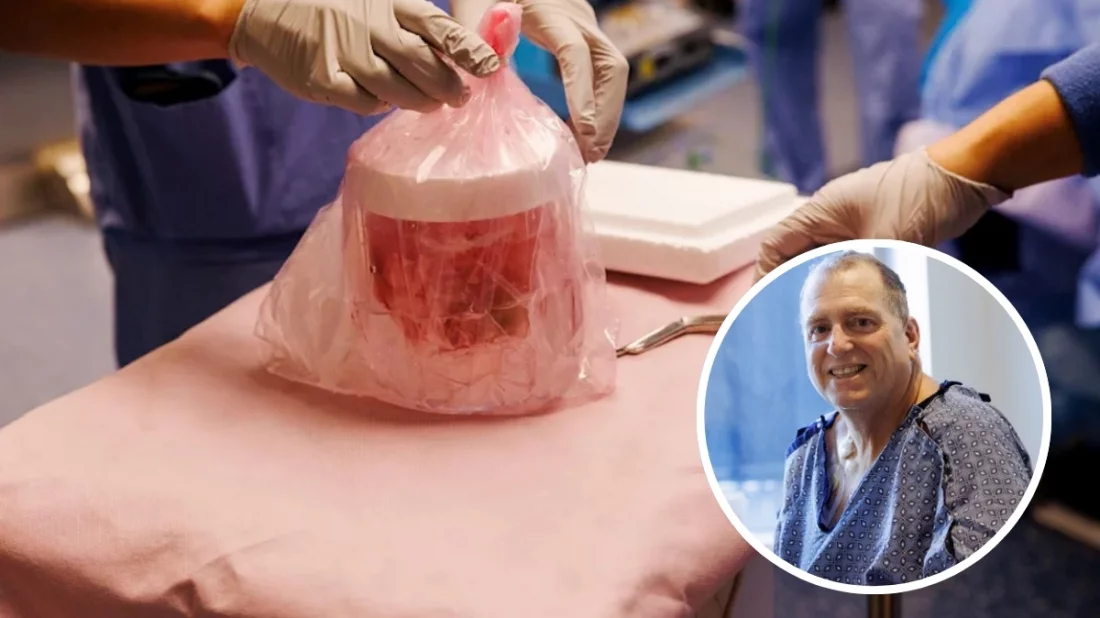
Tim Andrews from the United States has set a new record for surviving 271 days without dialysis after transplanting a genetically modified pig kidney into a human. At the age of 66, this patient suffering from end-stage kidney disease was transplanted with a gene-edited pig kidney. Later, that kidney was removed and a kidney obtained from a deceased human donor was successfully transplanted.
Andrews needed a human kidney transplant due to kidney failure caused by type-2 diabetes. But since the chances of finding a suitable human donor were very low, doctors decided to use a genetically modified pig kidney as an alternative. In January 2025, a Yucatan Miniature pig named 'Wilma' was transplanted into his body at Massachusetts General Hospital.
Multiple changes were made to the pig's genes to make the organ acceptable to the human body. The main purpose of this was to prevent the human immune system from quickly rejecting the kidney and to reduce the risk of infection from pig genes or germs. After the transplant, the kidney functioned effectively and Andrews did not need dialysis for a long time.
After about six months, the pig's kidney showed signs of damage to its blood vessels and its function gradually declined. The kidney was finally removed after 271 days. Andrews then received a kidney from a deceased human donor in January 2026 after undergoing dialysis for some time. The new kidney has functioned well over the six-month period and there have been no major rejection problems.
The incident is being seen as a significant advance in medical science, as it is the first time that a genetically modified pig kidney can serve as a 'bridge' to a patient until they receive a human kidney. The first pig kidney transplant in a living person was performed in 2024, but that patient died after 52 days.
However, the researchers say that based on the experience of one patient, this procedure cannot be considered routine treatment right now. Larger research and clinical trials are needed to determine how safe and effective genetically modified animal organs are in the long term. At the same time, experts hope that such organ transplants could play an important role in the future to address the human organ crisis.
Advertisement
Most Readed - International





- News of Dilara Zaman's house being occupied spreads, actress reveals the real story
- Jamaat Amir calls for release of Sifat, arrested for abusing PM
- Another World Cup-winning footballer retires after Messi
- Record of survival for 9 months with pig kidney
- 11-party unity's 'Long March' towards Chittagong has begun
- The story of the musical career, success and political controversy of the Prince of Music, Asif Akbar
- Asif Akbar's father was in the Peace Committee when the Muslim League was formed in 1971
- Polao rice price doubled, export or artificial crisis?
- Mirza Abbas is the victim of planned personal attacks by Nasiruddin Patwari: Rashed Khan
- Messi may be seen again in Argentina jersey, may be farewell match
- BPL may not happen this year: Tamim Iqbal
- Kangana Ranaut slams Naseeruddin Shah for calling him a 'fox'
- Who is Ruhul Kabir Rizvi? Education, political life and current responsibilities
- 15 artists including Boga Taleb to sing in memory of Razzak Dewan
- Young man leaves weapon at opponent's house, calls police, hangs himself
- If the referendum verdict is upheld, Oli Ahmed would have been the president: Jamaat
- 132 killed in strong earthquake in Colombia, state of emergency declared
- List of top drug dealers, strict action to be taken: Home Minister
- Joining the Mecca Pact is Bangladesh's own matter: Jamaat Ameer
- Preity Zinta is returning to films after eight years, says why she was in the dark