Ashwini Kumar Vrat and “Vrater Bhaat” Nehal Ahmed

Published: 11:10 19 October 2025
There is a region in Bangladesh where religious beliefs, social customs and humanity have come together to give birth to a unique culture. One of the brightest examples of that culture is the “Ashwini Kumar Vrat”, which has been an integral part of the lives of women in Chittagong and its surrounding areas for centuries.
The Ashwini Kumars are known as the divine doctors in Hindu mythology. They are believed to destroy diseases and grant blessings of longevity. Ashwini Kumar or Ashwini Devata is the twin physician of the gods, the children of Surya Dev. They have been worshipped since the time of the Rigveda. This vrat originated due to their importance as the divine doctors. Women observe this vrat for the health of the family, the longevity of their husbands and the well-being of their children. It is not just a form of worship – but a spiritual practice that is deeply connected to domestic life.
The tradition of observing this vow is still alive in the regions of Chittagong, Cox's Bazar, Feni and Noakhali. On an auspicious day in autumn or winter, women eat a vegetarian diet, light lamps and pray to the deity. The goal of their vow is a disease-free life and peace in the family.
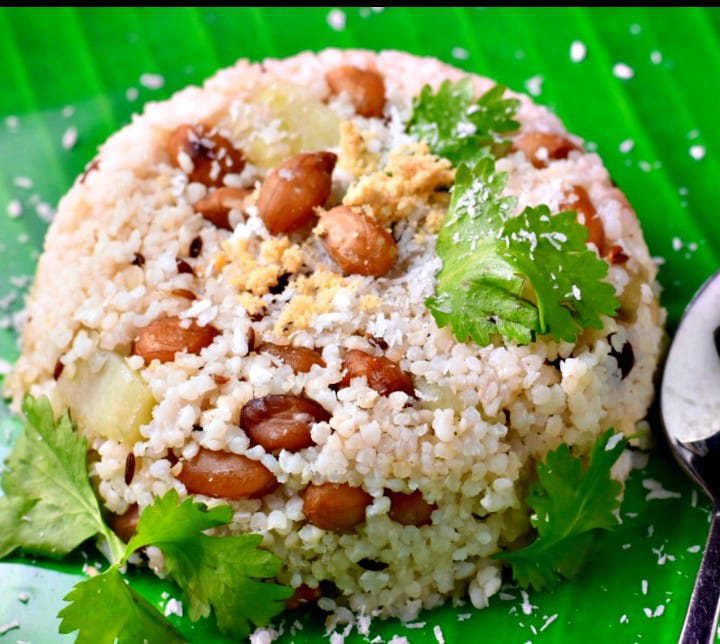
The most significant part of this vow is the "fasting rice". This rice, made from simple ingredients, contains rice, lentils, vegetables, fried potatoes, coconut, bananas, and sometimes sweets or pitha. At the end of the vow, this rice is offered to the deity. Then it is distributed among family, relatives and neighbors as prasad. This "sharing" teaches a social and humane lesson - when food, goodness and blessings spread in the society. Many times, Muslims or people of other religions also receive this prasad, which is a sign of the traditional coexistence of Chittagong.
The atmosphere of this vow is still alive today. Sometimes it is observed very quietly, sometimes very sincerely. A domestic helper, Pompi Das, for example, brings “vrater bhat” to his workplace—knowing that the vrat has not been observed there. He believes that sharing the vrat bhat auspiciously brings good fortune to the house. Hidden within this small act is a deep value of society—devotion, sincerity, and human bond.
Ashwini Kumar Vrat is not just a religious ceremony; it is a symbol of a folk tradition that has brightened the culture of Chittagong over time. This vrat teaches—good fortune is not achieved alone, but has to be shared with everyone. “Vrater bhat” is therefore not just rice, but a taste of a tradition, where faith and love become one.
Advertisement
- Romance with Shakib was comforting: Sabila Noor
- The World Cup is not a product, FIFA does not have the right to sell football: UEFA
- Prime Minister assures to resolve the gas crisis in the industrial sector
- BNP and affiliated organizations protest against AI-based propaganda of distorted image of state minister in Panchagarh
- Biography and International Career of the 'Cutter Master' The Fizz
- There is nothing immoral in the teachers reel video Mejbahr calls for flexibility
- Attempted rape of a two-year-old girl in Panchagarh, teenager arrested
- Corruption in Tk 1,500-crore ‘Sufal’ project: ACC raids and summons documents at the Forest Department
- Miraj is on the verge of losing the captaincy, who will get the new responsibility?
- CJP after midnight meeting: No protester will be left alone
- 'Ashes' takes charge of blind young man's treatment
- Madrasa student missing in Tentulia, family alleges kidnapping
- Timor-Leste president sees Messi lose, predicts bold Cape Verde win
- NCP's 36-day 'July Awakening' program nationwide from July 1
- Two women, including freedom fighter's son, jailed in 'Joy Bangla' slogan case
- 325 crore rupees in one film! Ranveer Singh in discussion
- Sarjis Alam warns of strict resistance if there are irregularities in vote counting
- Aslam Chowdhury loses MP post over loan default
- Criticism of Fazlur Rahman's statement on July Uprising
- Neymar's jab proves astrologer's prediction wrong