Iran's 5 possible dangerous steps if Trump's 'deadline' ends, fear of major tension in the Middle East

Published: 04:16 13 April 2026
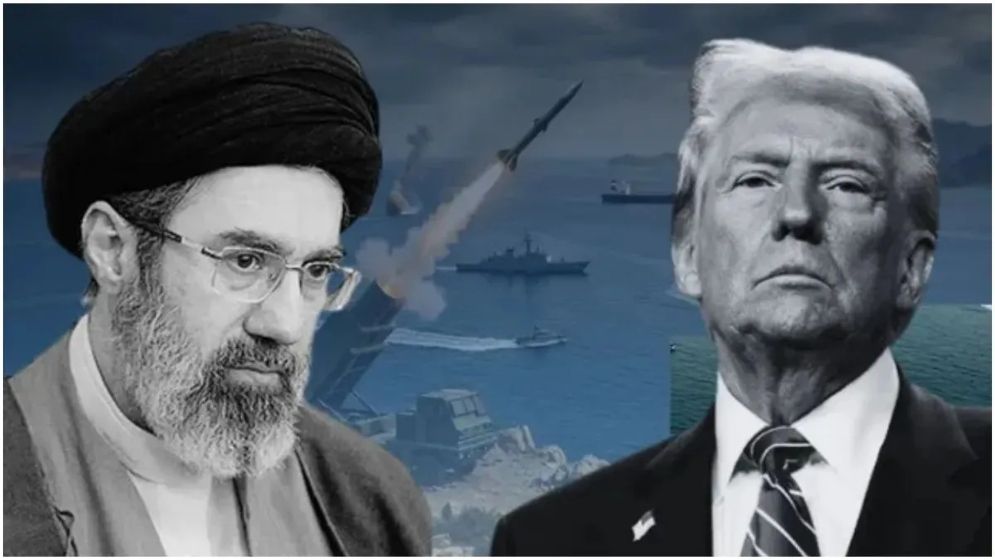
A new risk of war has emerged in the Middle East after US President Donald Trump gave Iran a deadline to open the Strait of Hormuz or sit for talks. There has been widespread concern in the international community about what kind of reaction Iran may show if the deadline ends.
According to experts, Iran may adopt a "layered asymmetric warfare" strategy instead of going into a normal defensive position, which aims to create maximum pressure on the United States and its allies and destabilize the global economy without resorting to direct war.
1. Global energy crisis by blocking the Strait of Hormuz
The Strait of Hormuz, one of the world's most important waterways, is Iran's biggest strategic pressure point. According to analysts, Iran can make this route dangerous through smart mines, drones or GPS jamming. If oil transportation is disrupted, oil prices on the world market could rise rapidly and the global economy could suffer a major blow.
2. Attacks on Gulf oil infrastructure
Iran could target oil installations and water treatment plants in Saudi Arabia, the United Arab Emirates and Qatar. It is feared that if these installations are hit, water and energy shortages could arise in major cities within just 48 hours.
3. Expansion of cyber warfare
Iranian-backed cyber groups could attack the power grids, water supply systems and hospital networks of the United States and its allies. At the same time, the risk of accidents at sea by confusing ship GPS signals could increase.
4. Activation of regional proxy powers
Iran could activate its allied groups - attacks on US bases in Iraq and Syria, disrupting shipping in the Red Sea through Yemen's Houthis, and increasing attacks against Israel through Hezbollah in Lebanon.
5. Creating diplomatic and economic pressure
Iran could offer “safe passage” to ships from China, Russia and some regional countries, which could weaken the Western sanctions framework. This also risks creating divisions in the international diplomatic alliance.
According to analysts, Iran’s main goal is not to achieve direct military victory, but to create a situation in which the costs of war and global losses increase so much that the United States and its allies are forced to seek a diplomatic solution.
In this situation, it is feared that any tension surrounding the Strait of Hormuz could have a major impact on global energy markets, trade and security.
Advertisement

Most Readed - International
- Hezbollah claims drone attack on Israeli military base in southern Lebanon
- Pakistan's stern warning: 'Enemy will face dire consequences if it takes any more daring steps'
- ‘Not to please Trump, but to protect people’s rights’ Iran’s strong message
- Hezbollah claims heavy attack in southern Lebanon, Israeli troops retreat
- Iran does not make proposals or plans to please Trump
- Simultaneous drone attacks in Qatar, Kuwait and the Emirates cause fires on ships
- 'Enemies will be surprised by new weapons and tactics', warns Iran's military
- Mother: The refuge of selfless love
- 5 Jamaat-BNP leaders detained while trying to release drug dealer
- Suicide attack on checkpost in Pakistan, 15 policemen killed
- Trump attacks Pope Leo, "I'm not a fan of this Pope at all"
- Shahbag’s “Golapi” is set to receive a house gifted by the Prime Minister.
- Showdown with 50 cars amid fuel crisis, Chhatra Dal leader loses post
- Tensions over nuclear proposal again, Iran rejects US proposal
- Horrifying scene in the shrine's pond, a dog died in the mouth of a crocodile!
- China has warned of retaliation in response to the threat of possible US tariffs
- Unidentified woman finds shelter in Savar thanks to journalist's humanitarian initiative
- India resumes oil and gas imports from Iran after seven years
- Arrest warrant issued against MP Amir Hamza
- Unique example of a sick friend in Comilla: 10 friends shave together to boost morale