Fatty Liver and Fruit Juice: Why Whole Fruits Are a Better Choice for Liver Health

Published: 05:37 19 January 2026
Fatty liver disease has become a common yet often overlooked health problem, especially among people with diabetes, obesity, and unhealthy eating habits. In this situation, choosing the right foods is extremely important. Many people wonder whether drinking fruit juice—often considered healthy—is good for fatty liver, or if it can actually cause harm. Medical and nutritional research suggests that caution is necessary.
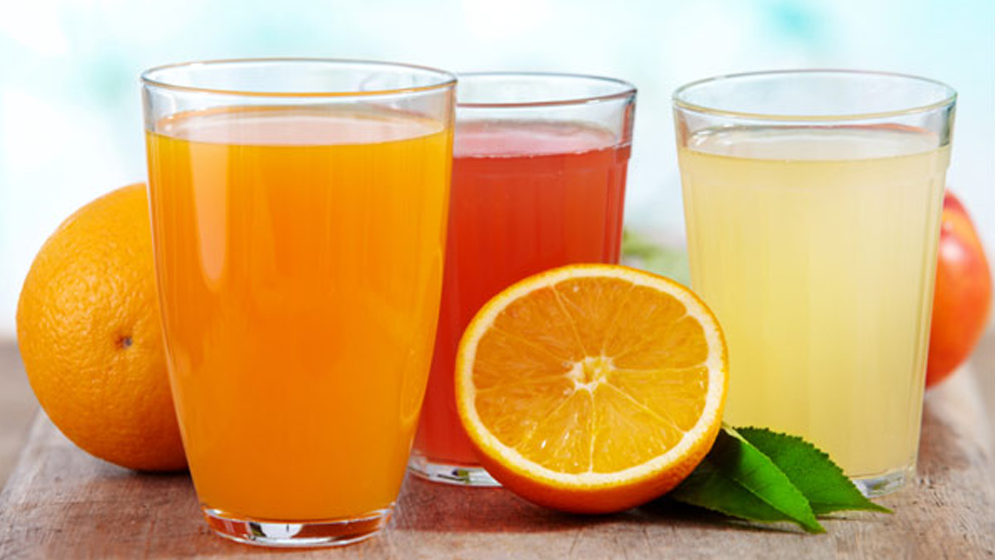
When fruit juice is made, most of the fiber is removed. Fiber is a crucial component that slows down sugar absorption and helps regulate digestion. In fruit juice, only small amounts of vitamins and minerals remain, while a large quantity of fructose (natural sugar) stays behind. This fructose is processed by the liver and converted into fat. As a result, triglyceride levels increase, which can worsen fatty liver conditions.
Compared to whole fruits, fruit juice contains a much higher concentration of fructose. A single glass of juice may be made from several fruits, yet it does not create a feeling of fullness. This causes the body to absorb sugar very quickly. Regular consumption of fruit juice leads to excess fructose in the body, which the liver stores as fat. Over time, this raises the risk of non-alcoholic fatty liver disease (NAFLD), diabetes, and obesity.
According to doctors, drinking fruit juice occasionally is not harmful, as long as no sugar is added and the quantity is limited. People who are extremely weak, recovering from illness, or experiencing severe weakness during menstruation may benefit from a small glass of fresh fruit juice. However, making fruit juice a daily habit is not recommended for people with fatty liver.
Eating whole fruits is far more beneficial for liver health. The natural fiber in fruits slows down sugar absorption, prevents sudden spikes in blood sugar, and helps maintain better metabolic balance. Chewing fruits also helps you feel full, reduces overeating, and supports weight control—an essential factor in managing fatty liver.
In addition, whole fruits contain antioxidants that protect liver cells from damage and help reduce inflammation. Regular consumption of fresh, whole fruits in appropriate amounts can gradually reduce excess fat stored in the liver. For these reasons, choosing whole fruits over fruit juice is a safer and healthier option for anyone dealing with fatty liver disease.
Advertisement

Most Readed - Life style


- 'Top terrorist' Mona arrested in Chittagong, huge weapons recovered
- Terrorist attack threat: Security beefed up at 8 airports including Shahjalal
- New discussion on Tehran’s ‘unused cards’: Iran hints at economic power struggle
- Three-way clash over bKash transactions in Brahmanbaria, torch-lit overnight attack, 30 injured
- Israeli soldier killed in clashes in southern Lebanon, tensions rise
- White House attacker 'mentally ill': Trump
- Netanyahu's corruption trial begins political pressure mounts
- Hezbollah attacks Israeli troops in southern Lebanon
- Three injured in attack by land grabbers in Savar
- Iran's three new proposals, including nuclear project, for ceasefire
- Trump attacks Pope Leo, "I'm not a fan of this Pope at all"
- New schedule for government offices to save energy: Three days in office, two days work from home
- Photo of money bags floating in river goes viral, truth finally revealed
- New life after leaving showbiz, Simrin Lubaba is now getting married
- Bangladeshi woman killed with hammer in US, Trump reacts
- A defamation case worth 100 crore taka against Amir Hamza
- Outrage over allegations of violence and harassment by a gang of brokers at Shimultala Rural Electricity Office
- Shops and shopping malls to close at 8 pm due to energy crisis
- Mostafizur Rahman Alek appointed as Narail District Council Administrator
- Over 300 petrol pumps closed in Philippines due to fuel shortage