Iran-Oman to impose tolls on use of Strait of Hormuz

Published: 11:22 8 April 2026
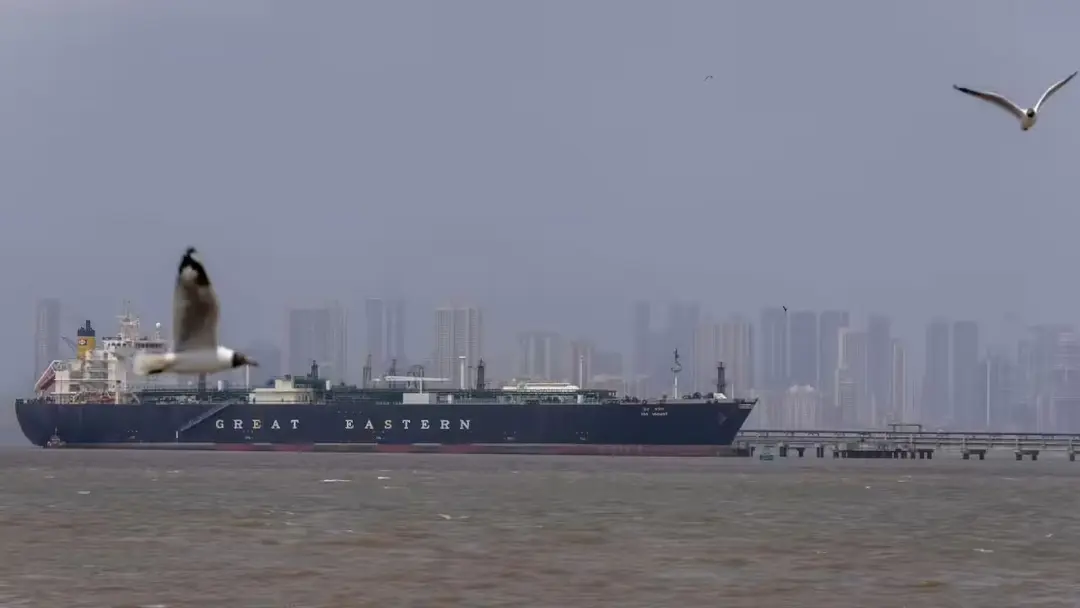
Iran and Oman are planning to collect transit fees or tolls from ships using the strategically important Strait of Hormuz in the context of the ceasefire. According to international media reports, the two countries have agreed in principle to impose a fixed fee on commercial ships using this waterway during the ceasefire.
The ceasefire talks were mediated by Shehbaz Sharif. The plan to take such economic steps has emerged within the two-week interim agreement between the United States and Iran.
According to Iran's semi-official news agency Tasnim News, the money collected from ships using this waterway will be spent on reconstruction work. It is known that there is a proposal to charge a maximum of about two million dollars from each ship, although it is not yet confirmed whether any ship has paid this amount.
Shipping traffic in this very important waterway has decreased significantly since the start of the war. According to various tracking data, only about 5 percent of ships are currently using the route compared to before the war. However, some oil tankers are able to move with special permission.
Disagreements over the ceasefire
Meanwhile, Benjamin Netanyahu's office said that Lebanon is not included in the ceasefire. In a statement, it was said that while supporting US President Donald Trump's decision, Iran must open the strait and stop all attacks.
However, Pakistan had previously said that the ceasefire would also include Lebanon - which contradicts Israel's position.
US claims its victory
After the ceasefire, the White House claimed it as its diplomatic and military success. White House Press Secretary Karoline Leavitt said in a statement that this progress was possible under the leadership of President Trump.
She said that the US achieved its main goal through the military operation called 'Operation Epic Fury', which later paved the way for diplomatic talks.
Analysts say the decision to impose tolls through the Strait of Hormuz could have a new impact on global trade and energy markets, with major economic repercussions, especially for the oil transportation sector.
Advertisement
Most Readed - International


- Born in Prison, 7-Year-Old Mobashera Steps into Freedom Holding Her Mother's Hand
- The little-known chapter of the Jinnah-Sheikh Mujib relationship: what happened in the 1946 elections?
- Can't get over your ex? Here’s what you can do to move on.
- Electric Trains to Run on Narayanganj-Dhaka-Joydebpur Route; Cost: Tk 3,822 Crore
- Farida Yasmin Threatens Defamation Suit Against Amir Hamza
- Messi Set to Take the Field in the Argentina Jersey One Last Time
- Saudi Arabia seeks Israeli intelligence assistance to tackle Houthi crisis: Report
- ECNEC Approves 16 Projects Worth Tk 65,000 Crore; Metro Rail Alone Accounts for Tk 45,000 Crore
- Chinmoy Krishna Das Wants to Perform His Mother’s First Death Anniversary Ritual in Jail
- Salman F Rahman to Step Down from Beximco Pharma Board
- 15 artists including Boga Taleb to sing in memory of Razzak Dewan
- Joining the Mecca Pact is Bangladesh's own matter: Jamaat Ameer
- Dr. Tasnim Zara: Education, Career and Politics
- Iran is losing control of the Strait of Hormuz
- Sugarcane cultivation is changing the fate of farmers, opening up additional income avenues
- AC explosion in Pakistani hospital, 15 newborns die
- NBR to be split into two independent institutions: Finance Minister
- Salman Shah, the evergreen hero of Bengali cinema, lost untimely
- Rain forecast for five more days across the country
- Australian captain impressed by Shariful's bowling